



As a company grows, one of the key questions is how to organize new functions: build an in-house team, outsource specific functions, or combine both models?
There is no universal answer. The right approach depends on the company's size, workload, strategic importance of the function, and the level of expertise required.
The goal is not simply to increase headcount, but to allocate resources where they create the greatest value for the business.
Start by evaluating the function itself
Not every function needs to be kept in-house or fully outsourced. The right model should be determined based on the company's specific business requirements.
Start with these questions:
- Does the function directly contribute to the company's core strategy?
- Is the workload stable and consistent?
- Does the company require a dedicated full-time specialist?
- How many resources are required to build and manage an internal team?
- Could outsourcing provide greater flexibility?
These questions help shift the decision from simply considering headcount to understanding the actual needs of the business.
Small businesses: focus on the core business
Smaller businesses often operate with limited resources. Building a separate team for every support function may therefore not always be the most practical approach.
Instead of maintaining full-time teams for accounting, legal, HR or IT, businesses can access specialized expertise based on their actual needs.
This allows the company to focus on its core activities while ensuring that essential support functions are handled by qualified professionals.
Mid-sized businesses: the hybrid model
For mid-sized companies, a combination of in-house and outsourced functions can provide a flexible operating model.
In-house: strategic functions and processes that require deep knowledge of the business.
Outsourced: standardized processes, specialized tasks, or functions with fluctuating workloads.
This approach can help companies maintain internal control while gaining access to additional expertise when required.
Large businesses: separating strategic and operational functions
For larger organizations, the question is not simply whether to build an internal team. The more important consideration is which functions create strategic value internally and which processes can be managed more efficiently through external expertise.
Functions directly connected to strategic decisions and core business activities may remain in-house, while standardized and measurable processes can be considered for outsourcing.
Decision matrix: which model fits your business?
Two key criteria can help determine the appropriate operating model:
- Strategic importance: How directly does the function affect the company's core strategy?
- Workload: Is the workload high and stable, or low and variable?
High strategic importance + high and stable workload → an in-house team may be considered.
Low strategic importance + low or variable workload → outsourcing may be considered.
Moderate strategic importance + variable workload → a hybrid model may be appropriate.
Are these challenges affecting your business?
- Too much time is spent on support functions.
- Hiring the right specialists takes too long.
- Maintaining separate teams for certain functions is costly.
- Workload changes significantly across different periods.
- Operational tasks prevent the core team from focusing on the business.
These challenges do not automatically mean that outsourcing is the right answer. However, they can be a signal to reassess whether the current resource model matches the company's needs.
Outsourcing is not only about reducing costs
Viewing outsourcing simply as a way to access a lower-cost workforce is too narrow. A well-designed outsourcing model can help businesses:
- Access specialized expertise;
- Reduce the time required to build a team;
- Respond more flexibly to changing workloads;
- Reduce operational workload;
- Keep internal resources focused on the core business.
The right model is not always about hiring more people
In-house teams, outsourcing and hybrid models address different business needs.
As a company grows, evaluating each function individually can be more effective than applying the same operating model across the entire organization.
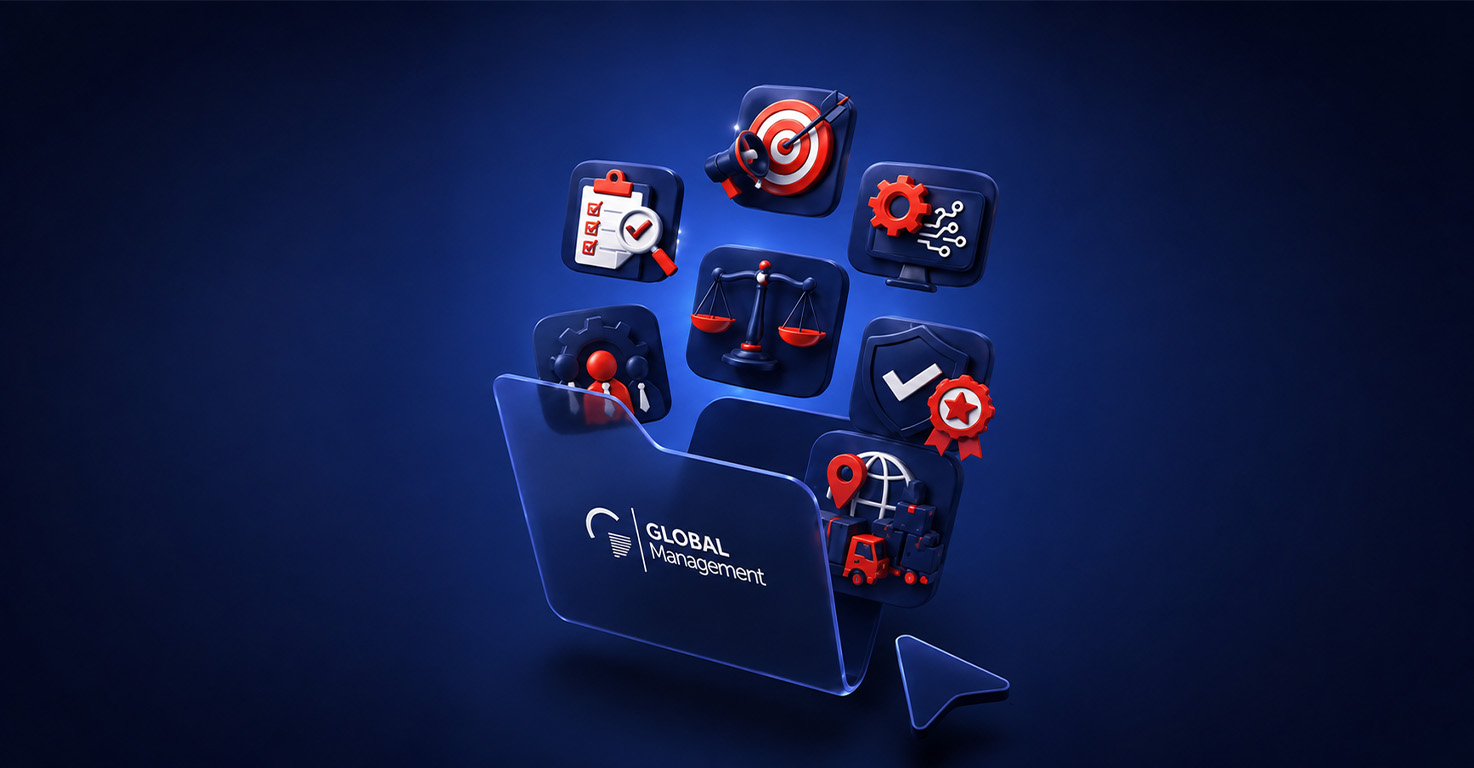
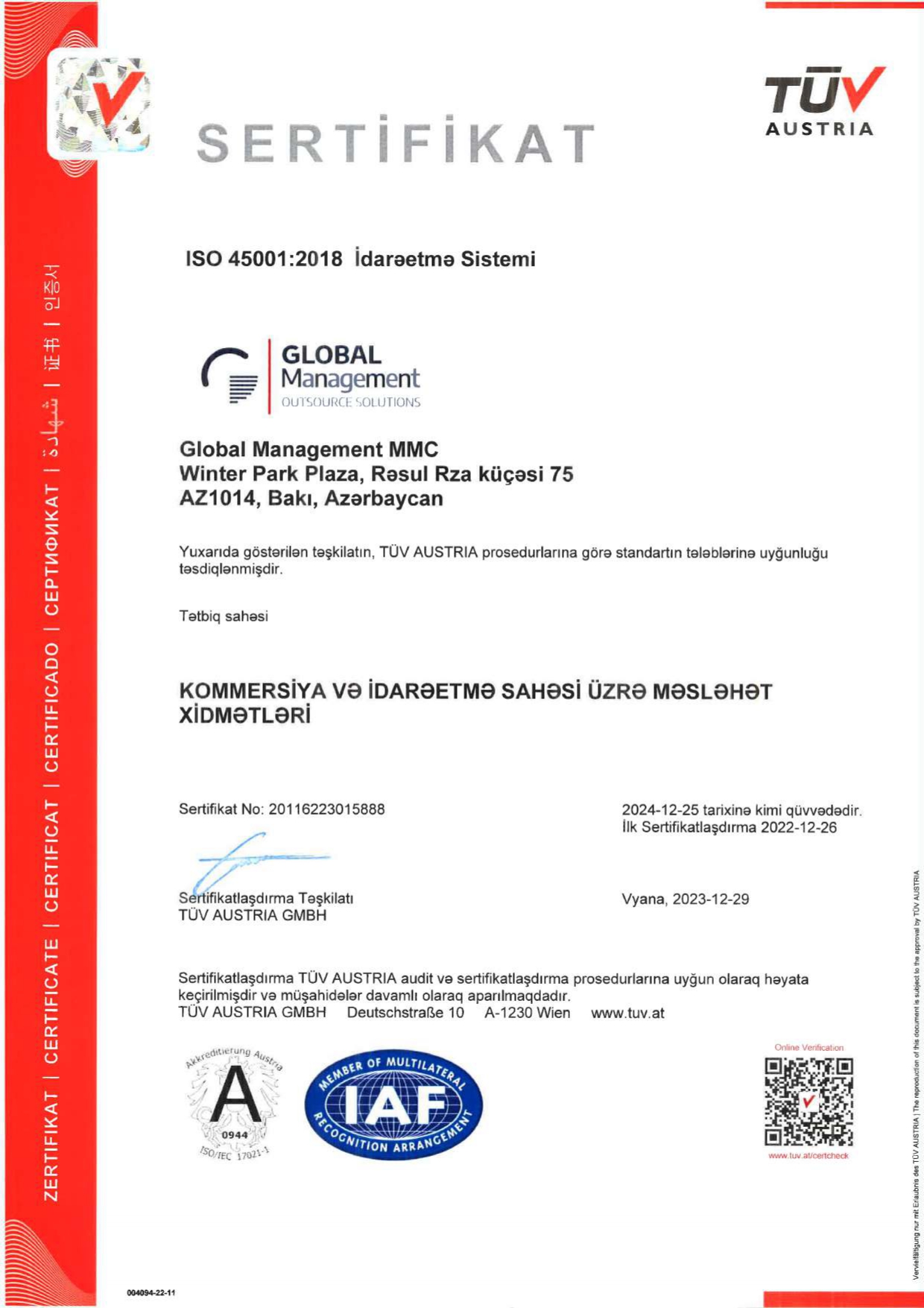
Global Management provides outsourcing solutions across finance and accounting, human resources, IT, legal services, procurement, marketing and sales, tailored to the specific needs of each business.
The key question is not simply “in-house team or outsourcing?” The more important question is:
“Which functions should be managed in which model to create the most value for our business?”