


IKEA: The Brand Everyone Recognizes, the Story Almost Nobody Knows
One of the most recognized furniture brands on the planet, IKEA is commonly associated with affordable pricing and functional products. However, behind this brand lies not just design excellence but a complex, multi-layered business model. This blog systematically analyzes the key factors shaping IKEA's success — from brand identity to sales psychology.
The Brand Name: From a Personal Story to a Global Identity
The name IKEA was not chosen at random. Every letter carries meaning tied to its founder, Ingvar Kamprad, and his origins: I — Ingvar K — Kamprad E — Elmtaryd (the family farm) A — Agunnaryd (the village name) This approach reinforces the brand's connection to its roots and strengthens its authenticity.
Product Names: A Strategy for Differentiation
Names like Billy, Kallax, and Malm are far from arbitrary. IKEA products are predominantly named after places, features, and references drawn from Swedish geography. The purpose of this strategy: Standing out in the global marketplace Preserving the brand's origin story Making products memorable As a result, each product name becomes a piece of the broader IKEA map.
The Product Speaks: A Silent Brand Strategy
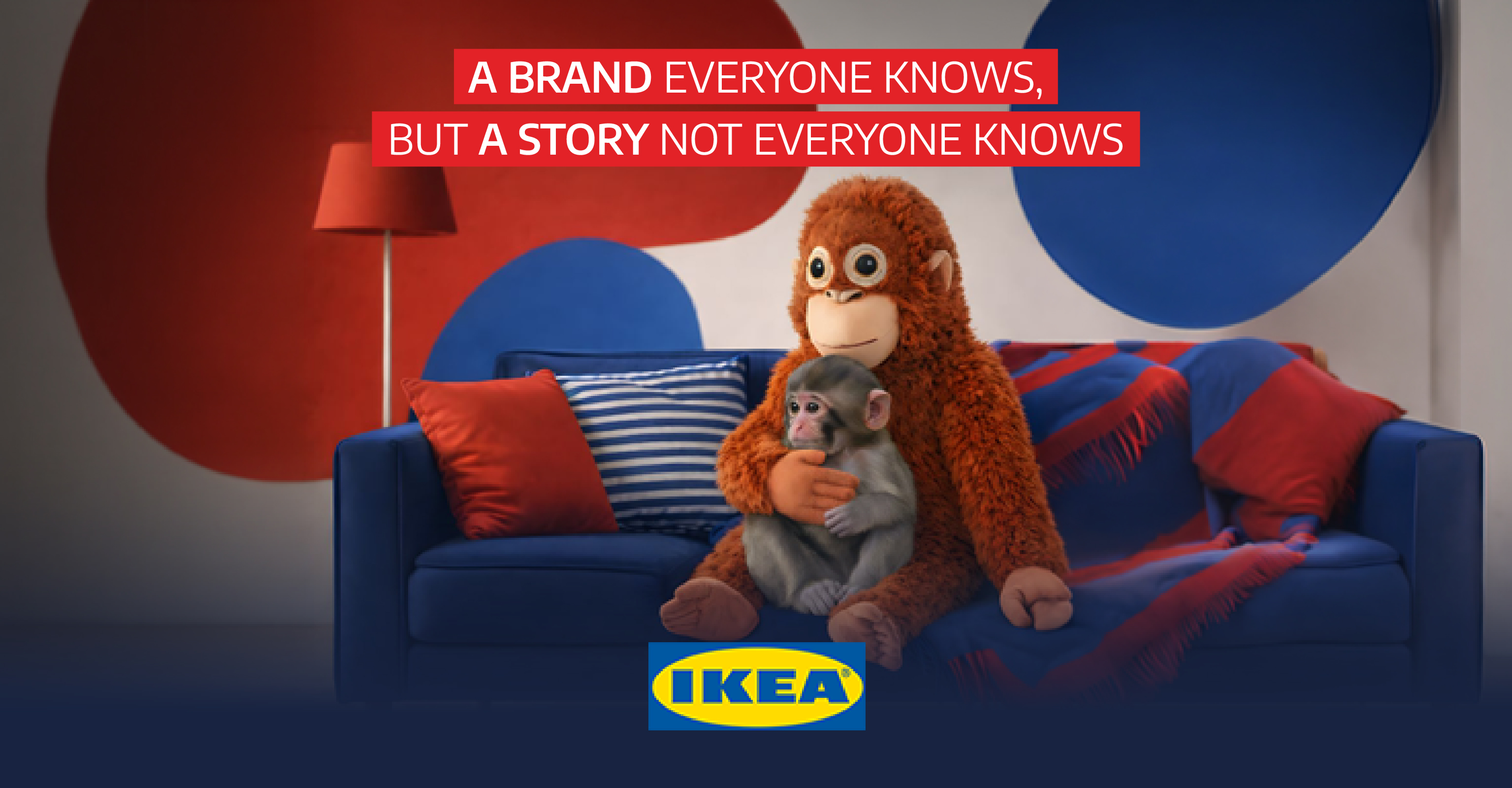
IKEA products do not feature loud or attention-grabbing design. Instead, they are: - Universal - Neutral - Adaptable This allows the products to fit seamlessly into diverse contexts. For instance, the "Punch" monkey toy that became a social media sensation was indeed an IKEA product — yet the brand never pushed it into the spotlight.
The "Flat-Pack" Model: Innovation Born from Necessity
IKEA's iconic flat-pack packaging model was not a deliberate design decision but rather a solution born out of logistical need. An employee removed the legs of a table and placed them inside the box to simplify transportation. This single act led to: Reduced transportation costs Improved storage efficiency Lower retail prices
The Store Experience: A Deliberately Planned Psychological Route
IKEA stores are not designed by chance. Customers are guided along a "forced pathway" that takes them through the entire showroom. This model is built on the following psychological sequence: Inspiration → Need → Purchase This approach serves as a highly effective behavioral model for driving sales.
The Catalog: The Influencer That Predated Social Media
For many years, the IKEA catalog: Was among the most widely printed publications in the world Ranked second only to the Bible in distribution across many countries This represented a powerful example of lifestyle marketing strategy long before the era of social media.
Management Model: Playing the Long Game
IKEA does not operate under a traditional corporate structure. The company is managed through a foundation-based model. This enables: Focus on long-term strategies Freedom from investor pressure Sustainable and continuous growth
The 5 Core Principles of Product Design
IKEA evaluates every product against five criteria: Form Function Quality Sustainability Affordable price If any one of these criteria is not met, the product does not proceed to manufacturing.
IKEA: Far More Than Just a Furniture Company
What truly sets IKEA apart is its systems-level thinking: Supply chain optimization Price-conscious design Customer integration into the process (the self-assembly model) This approach transforms IKEA from a simple retailer into a sophisticated and complex business model.
Success Is Not Just About Design
IKEA's success cannot be explained by product design alone. The core drivers include: Logistics Psychology Systematic approach IKEA may appear simple on the surface. But in reality, it is a deeply thought-out and strategically constructed business model. If you want to implement similarly systematic approaches in your own business, partnering with the Global Management team can help you achieve more effective results.