



At What Point Do Companies Experience a Scale Problem?
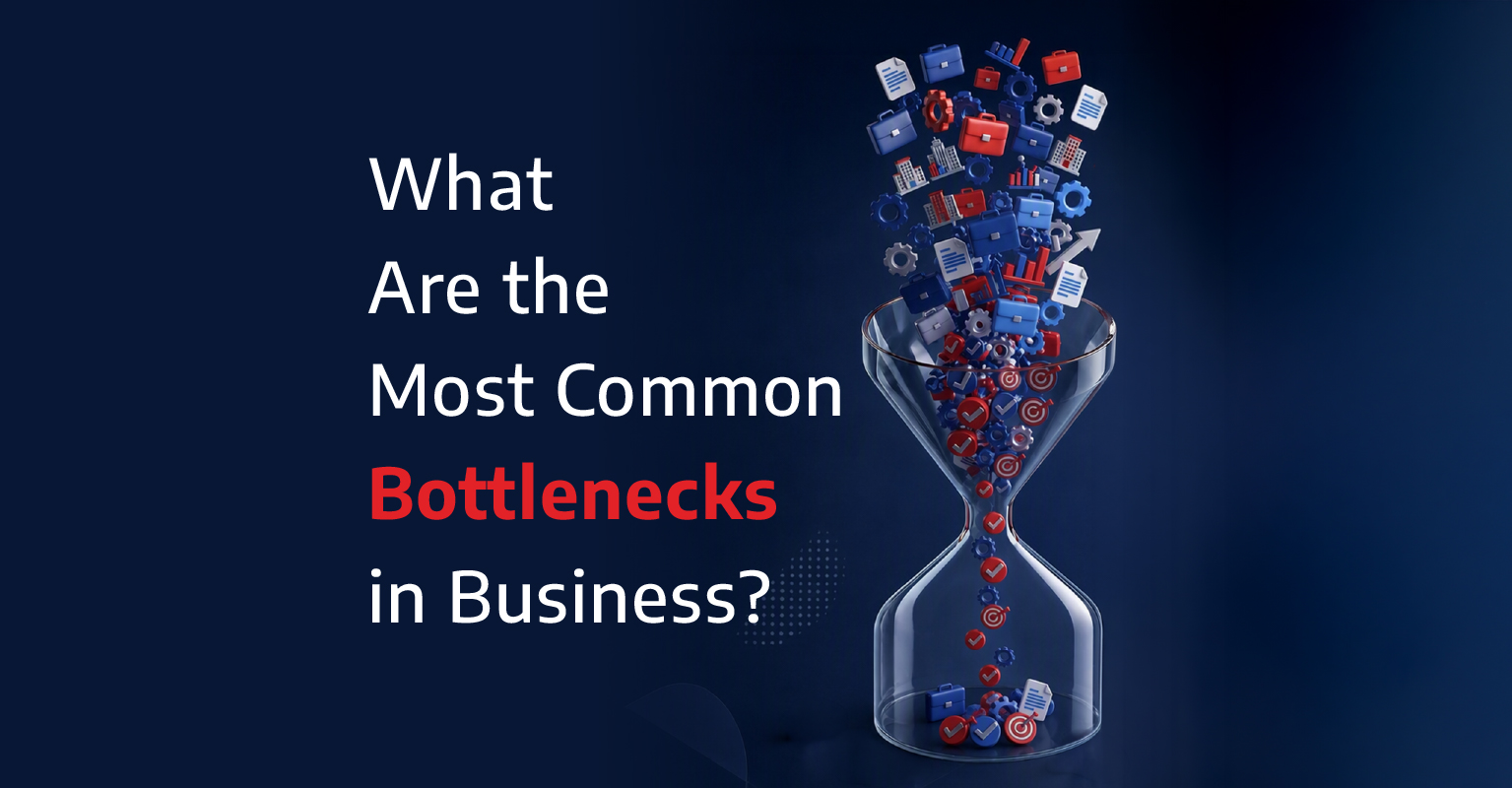
Many companies in Azerbaijan face the same challenge when transitioning from the growth stage to the scaling stage: the business grows, but the management model remains unchanged.
In the startup phase, decisions are made quickly. Teams are small, and leaders maintain direct oversight of almost every process. At this stage, agility is a significant competitive advantage.
As businesses enter the growth phase, they typically establish new departments, expand into new regions and markets, increase their workforce, and diversify their products and services.
This is precisely where the problem begins. Many organizations continue to centralize decision-making around a single individual, fail to systematize processes, rely on intuition rather than data, and focus on what customers say rather than how they actually behave.
As a result, the company grows, but decision-making becomes slower. As teams expand, coordination weakens. Even though the customer base increases, understanding customer behavior and identifying meaningful patterns becomes increasingly difficult.
This is the essence of a scale problem. Scaling is no longer just about increasing sales—it is about elevating management capabilities to a new level.
For this reason, companies around the world are moving away from traditional approaches. Instead of relying on lengthy reports, they use real-time data. Rather than depending solely on focus groups, they observe actual behavior. Instead of analyzing survey responses alone, they leverage video insights and contextual data to gain a deeper understanding of their customers.
Business leaders no longer want to make decisions based on insights from just ten people. At the same time, surveys of ten thousand respondents often fail to explain the true reasons behind customer behavior.
The critical difference is this: people often describe how they use a product one way, but behave very differently when using it in real life.
What Do Successful Companies Do Differently During the Scaling Stage?
Organizations that scale successfully reduce their dependence on individual employees by building standardized systems. They make decisions based on visual and behavioral data, focus on systems thinking rather than day-to-day operations, and ask not only “What are we selling?” but also “How do people actually use this in their lives?”
At a certain point, business growth is no longer driven by ideas alone—it is driven by the quality of observation and insight.
The most dangerous stage occurs when a company believes it already fully understands its customers.
Why Is a Strong Management System Essential for Scaling?
At this stage, the challenge is not simply business growth, but sustainable and manageable growth. This is where the Global Management approach begins: helping companies build management systems capable of supporting long-term scale, rather than merely providing operational solutions.
For many organizations, the real issue is not a lack of resources but an overreliance on individuals. Over time, this creates delays in decision-making, internal coordination challenges, and an inability to accurately interpret customer behavior.
Global Management helps companies systematize their processes, establish data-driven decision-making frameworks, optimize operational workloads, strengthen internal management structures, and gain deeper insights into customer behavior.
Conclusion
At the scaling stage, the key competitive advantage is no longer working harder—it is managing better.
In today's market, rapid growth is achievable. However, sustainable growth requires a company's internal structure, decision-making model, and observational capabilities to evolve at the same pace.
Otherwise, the business continues to grow while its management capabilities fall behind.